The Next Generation of Nozzle Technology: Smart and Adjustable Systems
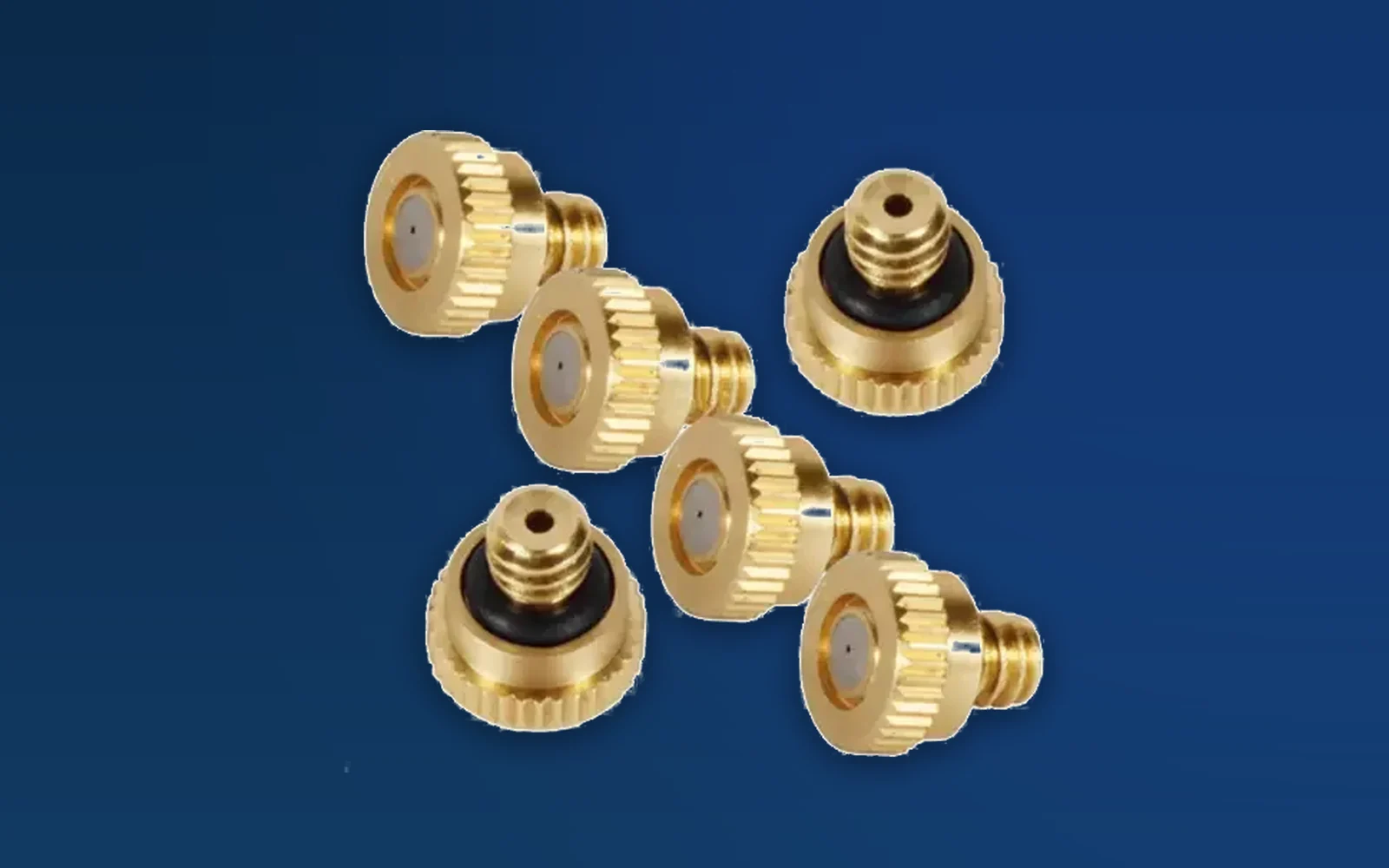
At first glance a spray nozzle looks like a part that is hard to change: a body, an orifice and the fluid passing through it. Even so, serious technological development has been taking place around this simple part in recent years. At the centre of that change is a single idea: turning spraying from a fixed setting into a controllable variable.
Adjustable nozzles
A classic nozzle is manufactured for a single angle and a single flow rate. When the product on your line changes, you have to change the nozzle too. Adjustable models remove that obligation: the spray pattern, angle or flow rate can be set by the user. In plants that run several products on one line, this means a significant saving in setup time.
Pulsed (PWM) spraying
One of the most striking developments of recent years is pulsed spraying. The nozzle is driven by a solenoid that opens and closes dozens of times a second. By changing the proportion of time it stays open, the flow rate can be adjusted without changing the pressure at all.
Here is why that matters: in a classic system you lower the pressure to reduce the flow rate, and as the pressure drops the droplet size grows and the spray pattern deteriorates. In a pulsed system the pressure stays constant, so pattern and droplet size are preserved and only the quantity changes. Automatic dose adjustment by ground speed in agricultural spraying became possible with this technology.
Sensor-fed systems
The second area of development is the nozzle becoming part of a control loop. Sensors on the line read the presence, position, temperature or moisture content of the product; the controller then decides which nozzle opens and for how long.
The practical result: nothing is sprayed where there is no product. If there is a gap on the conveyor, the nozzles close. On many lines this alone delivers double-digit material savings.
Monitoring clogging and wear
The third area is monitoring. Pressure and flow sensors placed on the line catch any deviation from the expected values immediately. A rising flow rate indicates wear; rising pressure together with falling flow indicates clogging. Nozzle replacement can therefore move from "after the failure" to "before the failure".
Developments on the material side
Less visible than the electronics, but progress is being made on the material side too. Ceramic orifices extend wear life many times over compared with metal. Ruby-tipped nozzles can hold their orifice geometry for years in very high-pressure cutting and fogging applications. Stainless bodies with wear-resistant coatings stand out with particle-laden fluids.
So should every plant move to this?
No. Automation investment makes sense on lines where product variety and material cost are high. On a washing line with a fixed product and a low flow rate, a correctly selected classic nozzle is still the most efficient solution.
The right question is not "which is the newest technology" but "what is the variable on my line". If there is a variable, control adds value; if there is not, a correctly selected simple nozzle is enough.
Quick-change systems
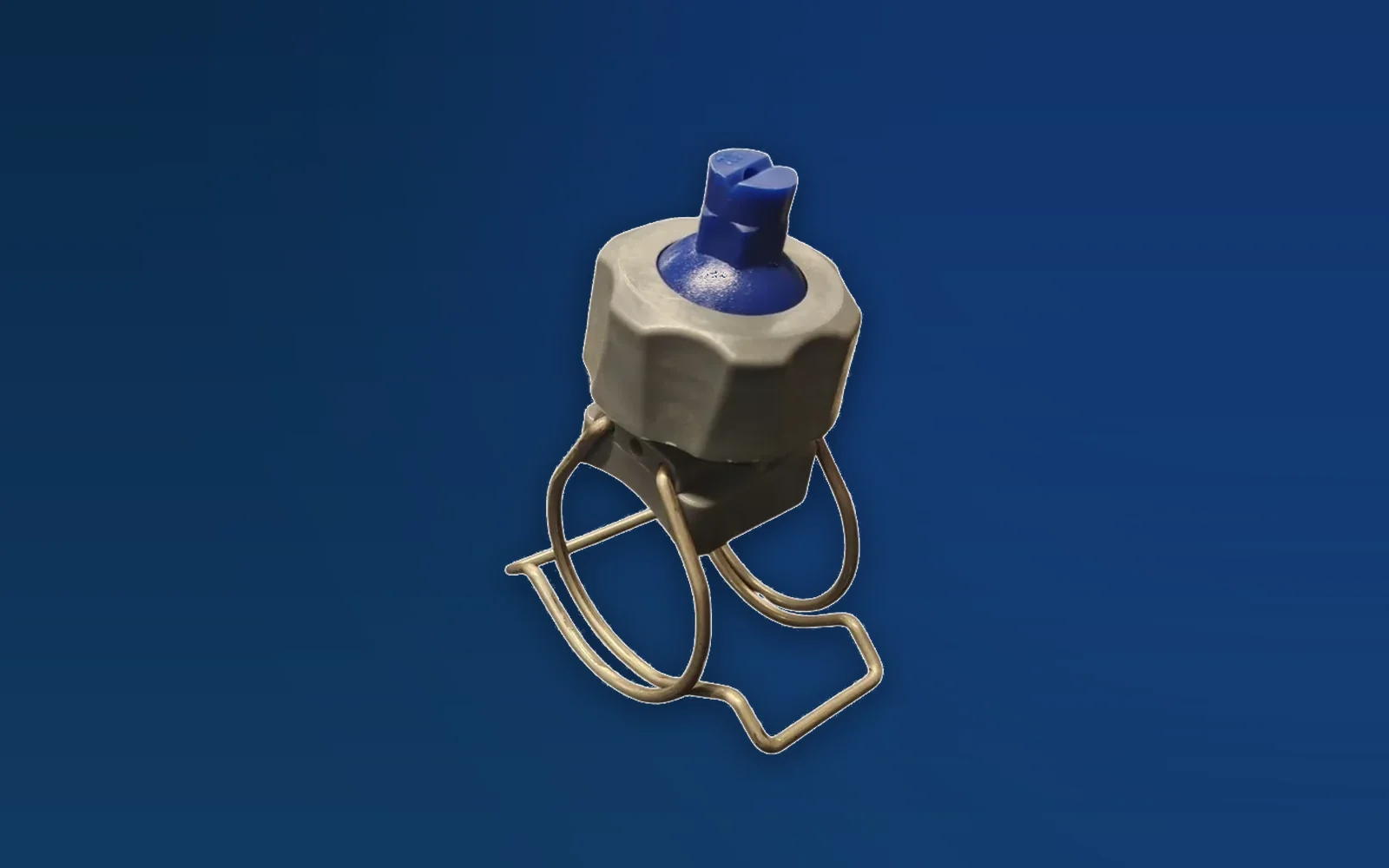
One of the innovations that looks small but saves the most time in the field is the quick-connection system. With a classic threaded connection, changing a nozzle calls for a spanner, PTFE tape for the seal and a fresh alignment of the nozzle direction. With clip or bayonet type connections, the nozzle comes out with a quarter turn and the new one seats in the same orientation. On a line with hundreds of nozzles, that difference cuts maintenance from hours to minutes.
Simulation and design
On the manufacturing side, computational fluid dynamics (CFD) is now a standard tool of new nozzle design. The effect of micron-level changes in orifice geometry on droplet distribution can be seen on screen before a mould is ever cut. This both shortens development time and opens the way to designs that deliver the same flow rate at a lower pressure.