Nozzle Selection for Protective Coatings: Extending Product Life
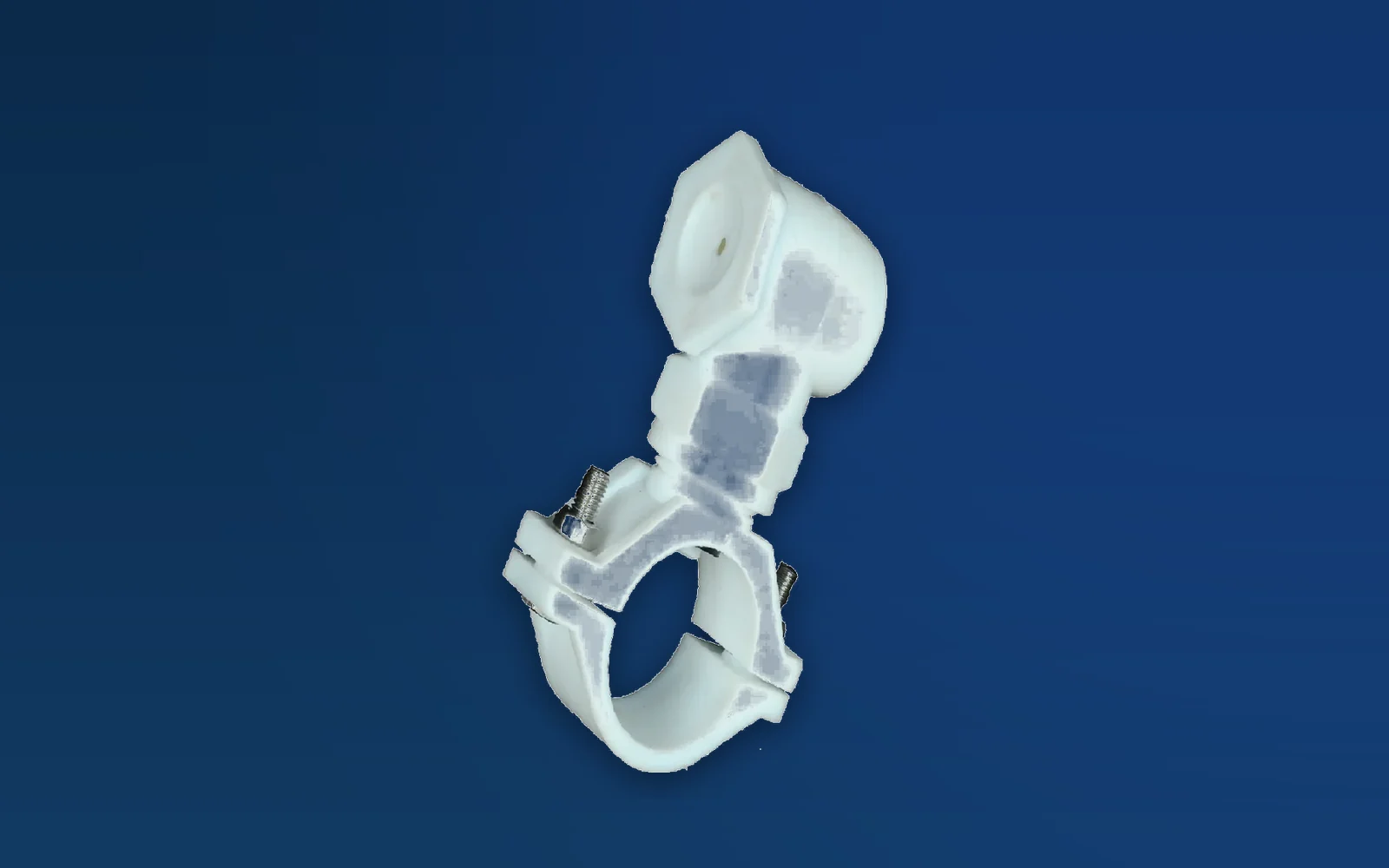
In protective coatings the aim is not appearance but product life. In an anti-corrosion application it is not enough to cover 98% of the surface; corrosion always starts from the 2% that was not covered. The criterion for nozzle selection in protective applications should therefore not be "looking good" but gapless coverage.
Why is coverage so critical?
Corrosion is a local event. When a micro-gap is left in the coating, moisture and oxygen reach the metal directly; the rust spot that forms advances under the coating over time and lifts the sound coating around it as well. A small coverage fault can therefore render the whole coating useless in time.
For that reason the overlap ratio is kept higher in protective applications than in decorative painting. With flat jet nozzles it is common practice for neighbouring patterns to overlap by at least 30%. On parts with complex geometry, spraying from one direction is not enough; arrangements that feed from different angles are required.
The problem of hidden surfaces
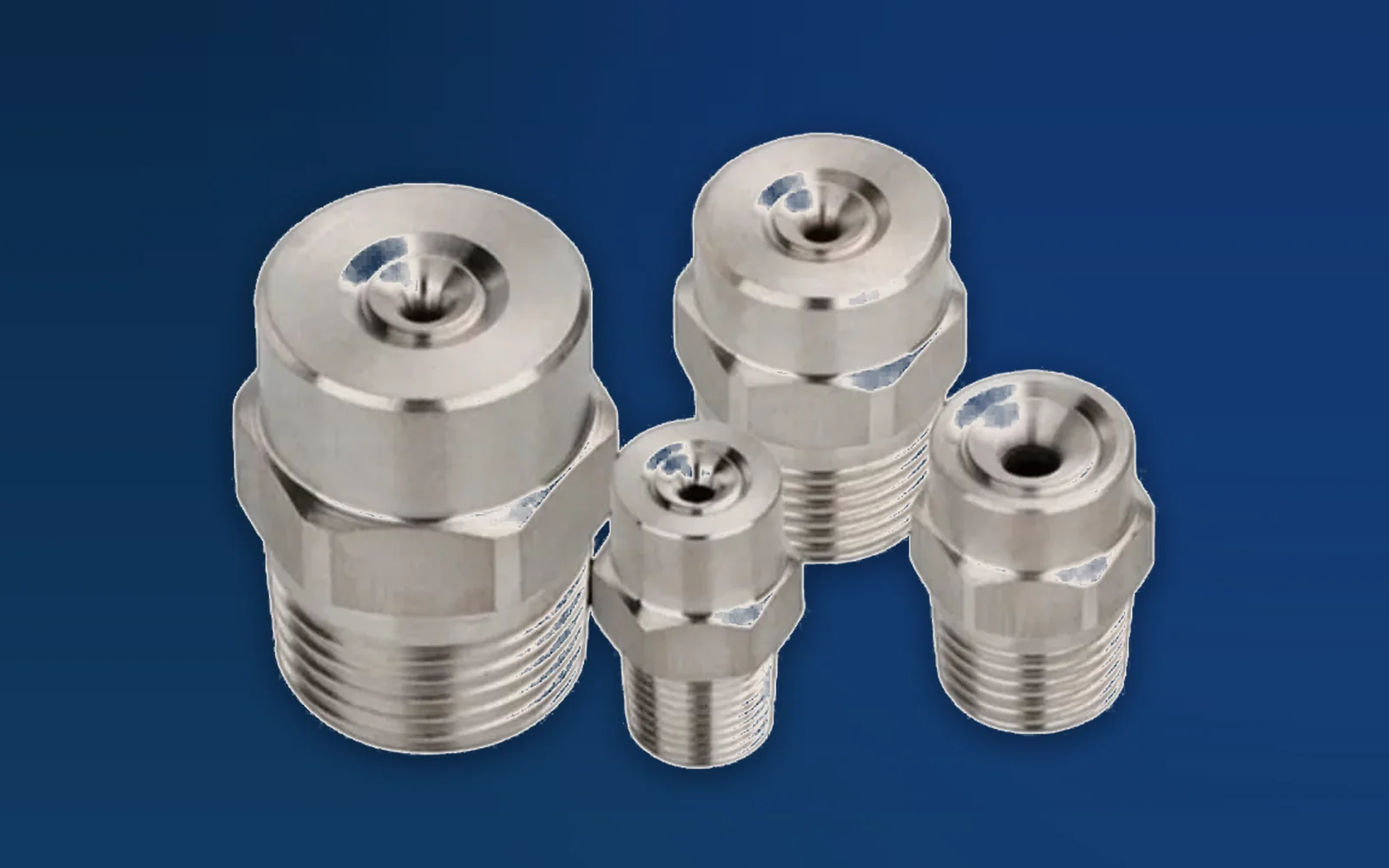
Box sections, door interiors, weld pockets and folded areas are where corrosion most often begins, because they are closed to direct spraying. For these areas, extended lance nozzles that spray through 360°, or special designs inserted into the cavity to coat the entire inner surface, are used. Full cone nozzles are also an advantage in such blind areas because they fill a circular pattern without gaps.
Material compatibility determines service life
Protective coatings usually contain solvents. A solvent will destroy a wrongly selected body material within weeks. An orifice that swells or softens loses its geometry; the spray pattern deteriorates and the coating thickness changes.
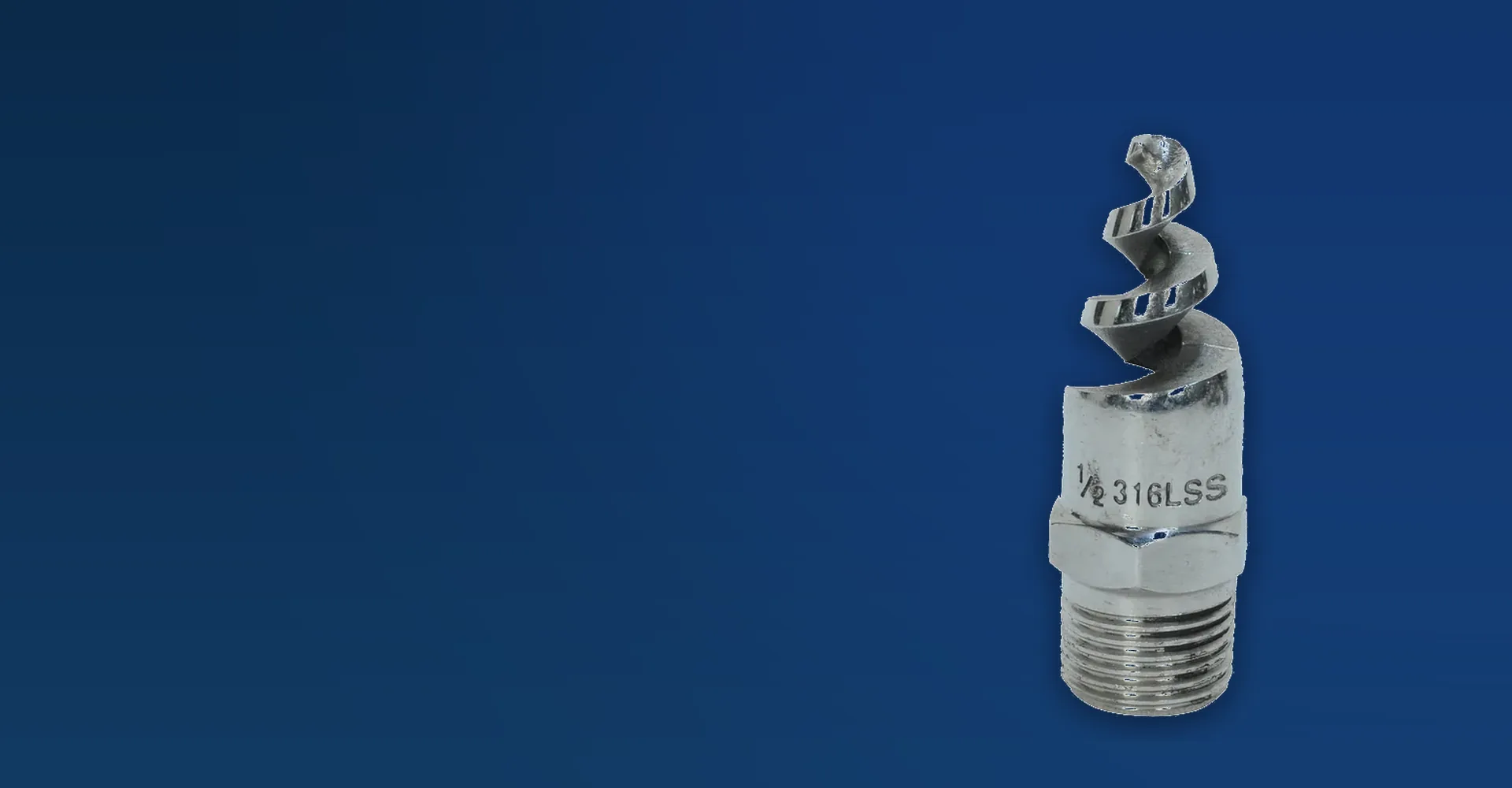
- Stainless steel (SS316): the general choice for solvent-based coatings and lubrication applications.
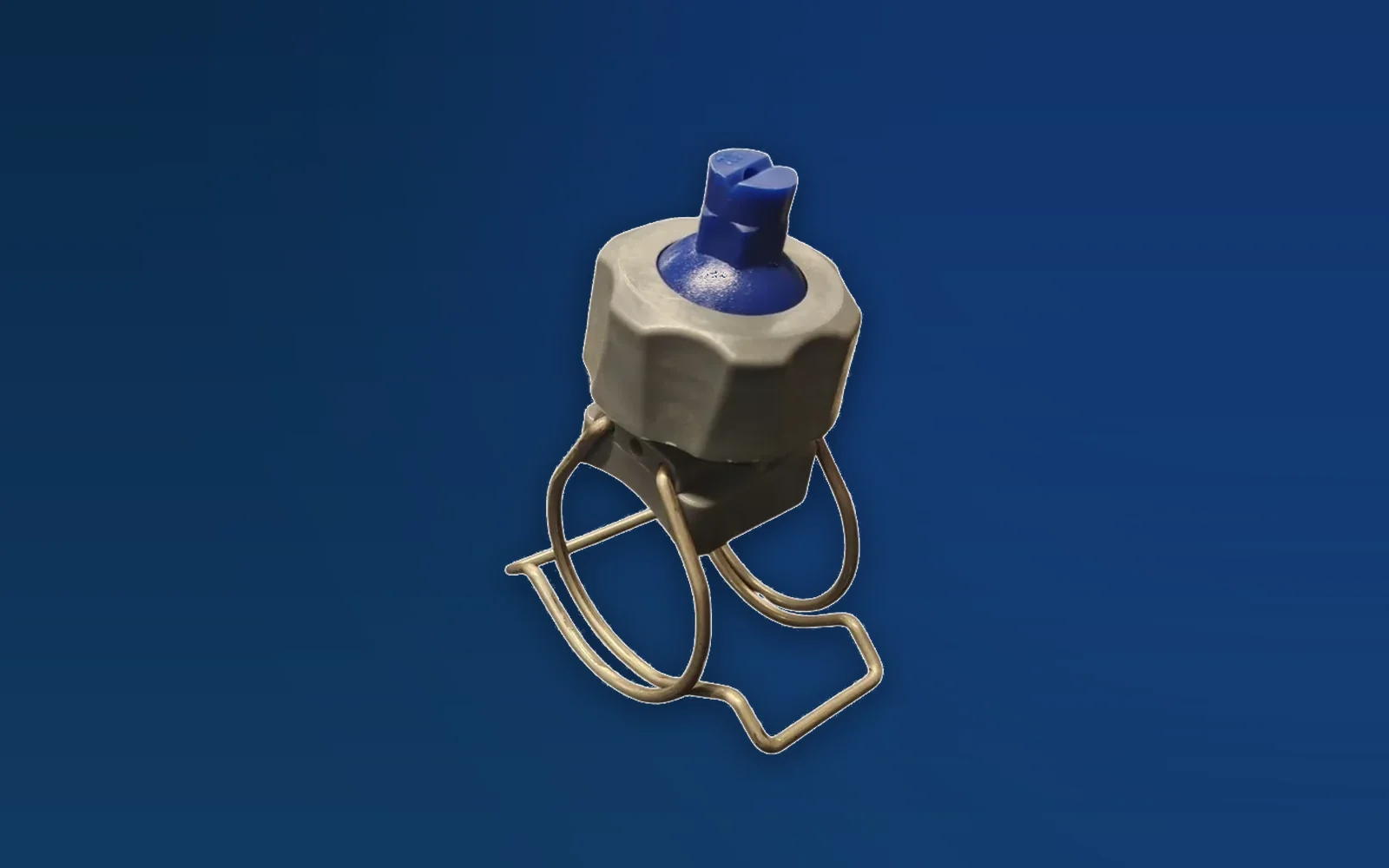
- Polypropylene (PP): economical and durable in water-based processes containing acids and alkalis.
- Ceramic orifice: extends service life considerably in coatings containing abrasive fillers.
Viscosity and droplet size
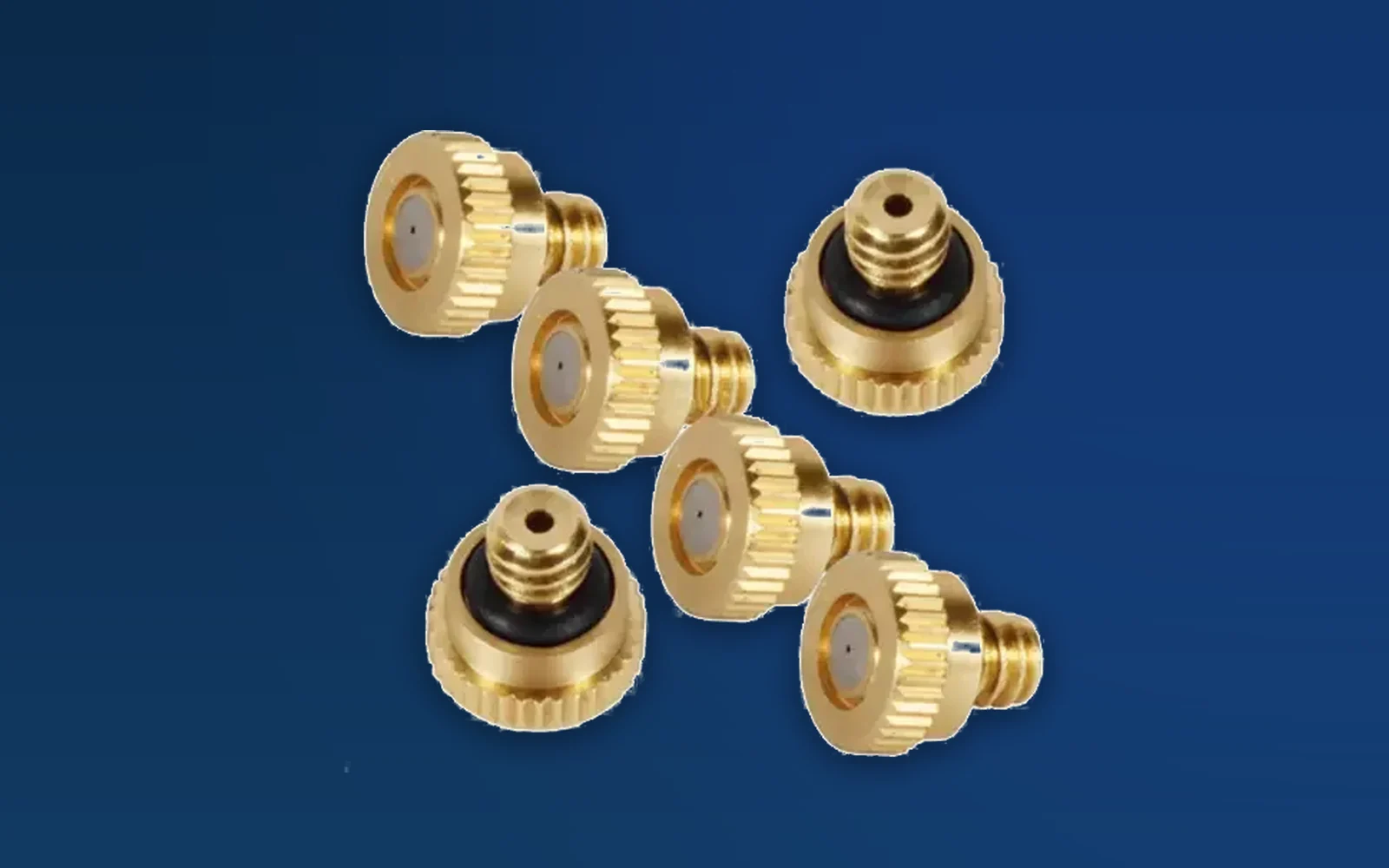
Protective coatings are generally more viscous than decorative paints. High viscosity makes atomisation harder: the droplets grow and the surface develops runs and an orange-peel appearance. There are two routes at this point: lower the viscosity by heating the material, or move to air-assisted (two-fluid) nozzles. The second route is usually more controllable, because it gives fine atomisation without raising the liquid pressure.
Lubrication applications
In chain, die and press lubrication the aim is not to coat but to leave the right amount of oil at the right point. Here too much oil is as much of a problem as too little: oil that runs off both contaminates the product and creates a safety risk on the floor. Pulsed (PWM) controlled nozzles are preferred in these applications because they can dose with millimetric precision.
In summary
The order of priorities when selecting a nozzle for a protective coating is this: first the body material suited to the chemical nature of the fluid, then the spray pattern suited to the geometry of the part, and only then the flow rate and pressure. When that order is broken, the coating may look fine at first but its life in the field is shortened.
Pre-treatment matters more than the coating
The first factor determining the life of a protective coating is in fact not the coating itself but the quality of the surface preparation underneath it. Even the best coating will not adhere over oil residue, rust or dust. Nozzle selection in the washing, phosphating and rinsing stages is therefore as important as the coating nozzle.
The most common mistake in pre-treatment baths is failing to notice clogged or worn nozzles. A gap on the washing line is invisible, because the part is wet anyway. The problem only emerges after coating, and its cause is usually looked for in the wrong place.
The value of keeping records
On protective coating lines, the position, code and installation date of every nozzle should be recorded. When a corrosion complaint comes back from the field, being able to return to the line settings that part was processed with makes it possible to find the source of the problem within minutes.