Efficiency on the Paint Line: Ways to Reduce Overspray
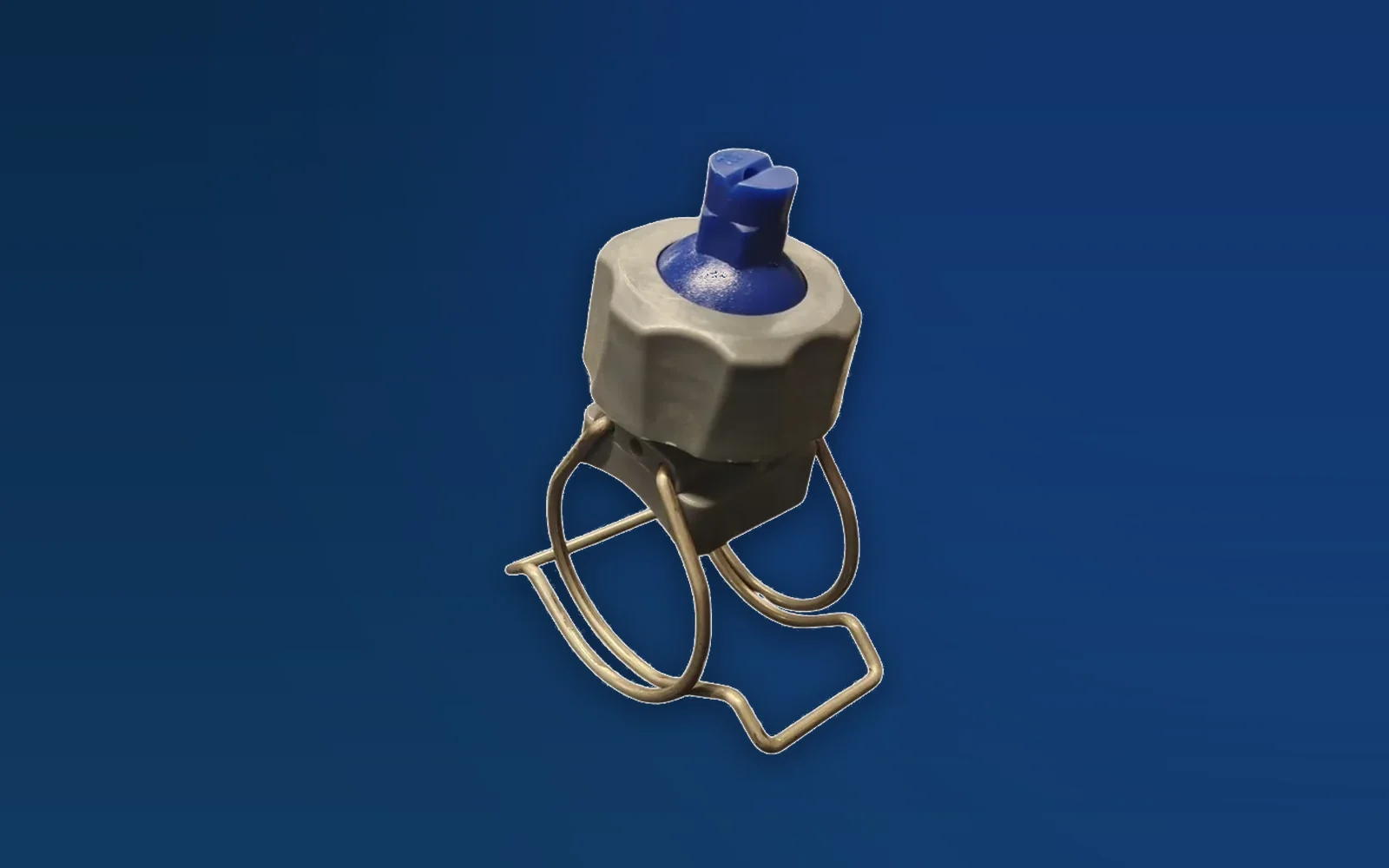
There is an assumption often heard on paint and coating lines: if you want to raise quality, you have to spend more material. In the field the opposite is true. A correctly designed spray line produces both a thinner, more homogeneous film and less overspray — the paint that never reaches the target.
Where does overspray go?
Overspray is the portion of the sprayed material that stays suspended in the air or disperses into the surroundings instead of adhering to the surface. The loss is not only the material cost: filters are changed more often, booth ventilation works harder, the cleaning workload grows and waste disposal costs rise. Every litre lost therefore generates several times its own price in cost.
Why is raising the pressure not the answer?
The first thing that comes to mind for improving atomisation is to raise the pressure. It is true that droplet size falls as pressure rises. But smaller droplets are also lighter, and they are carried away by air currents before they reach the target surface. Beyond a certain point, an increase in pressure grows the loss rather than the quality.
The correct approach is to select the angle and flow rate combination that suits the line speed and the target film thickness. Carrying the liquid you need at a lower pressure, in the right droplet size, is always more efficient than flinging it at high pressure.
The relationship between distance and angle
Every nozzle has an optimum working distance. A nozzle positioned too close strikes the surface before the jet has fully opened, producing a film that is thick in the centre and thin at the edges. Positioned too far away, the droplets slow down before reaching the surface and the adhesion rate falls.
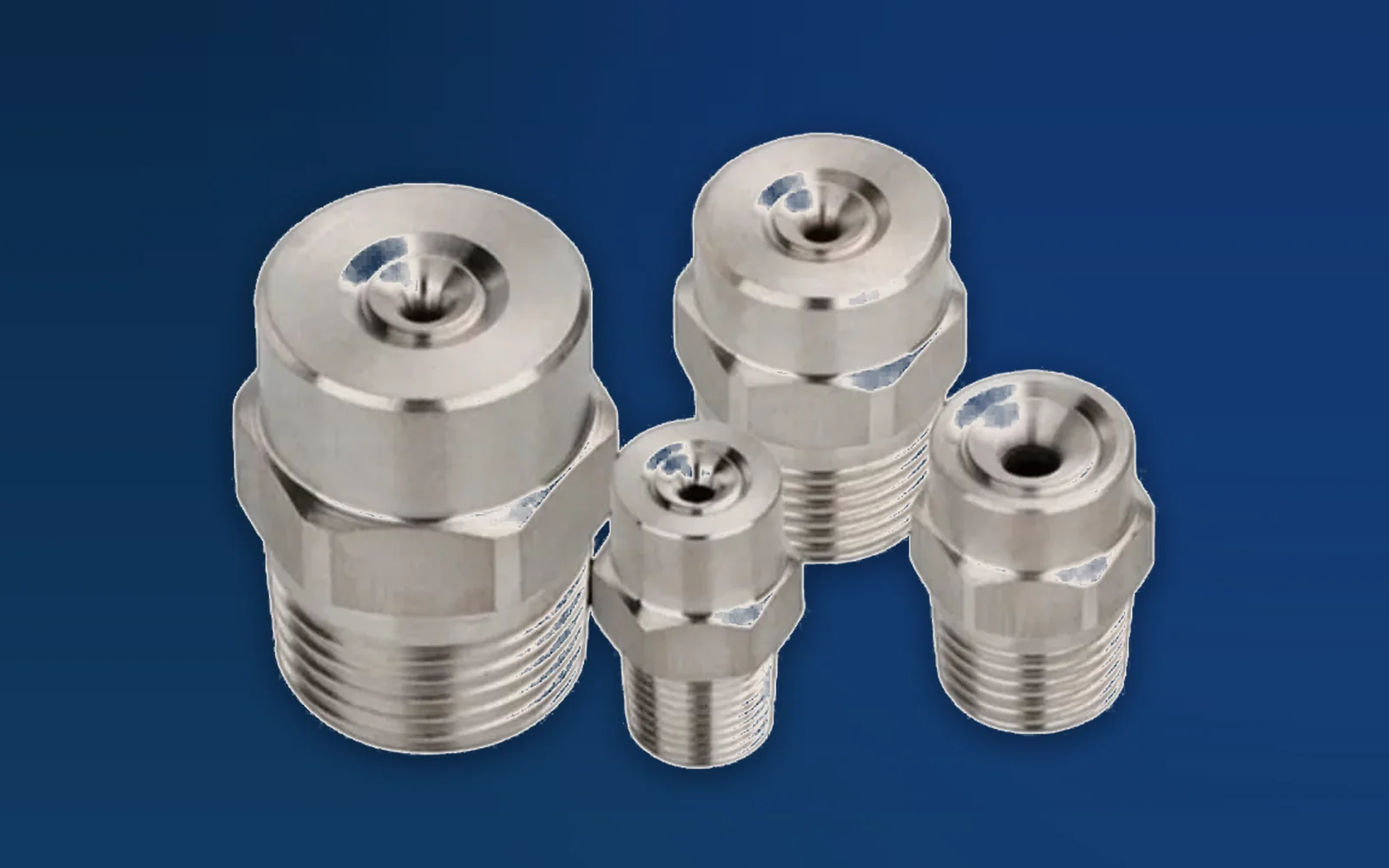
In practice, a band of 250–400 mm gives good results for a 110° nozzle in most coating applications. Narrow-angle nozzles (15°–30°) suit cleaning work that calls for high impact force — not coating.
Two-fluid nozzles
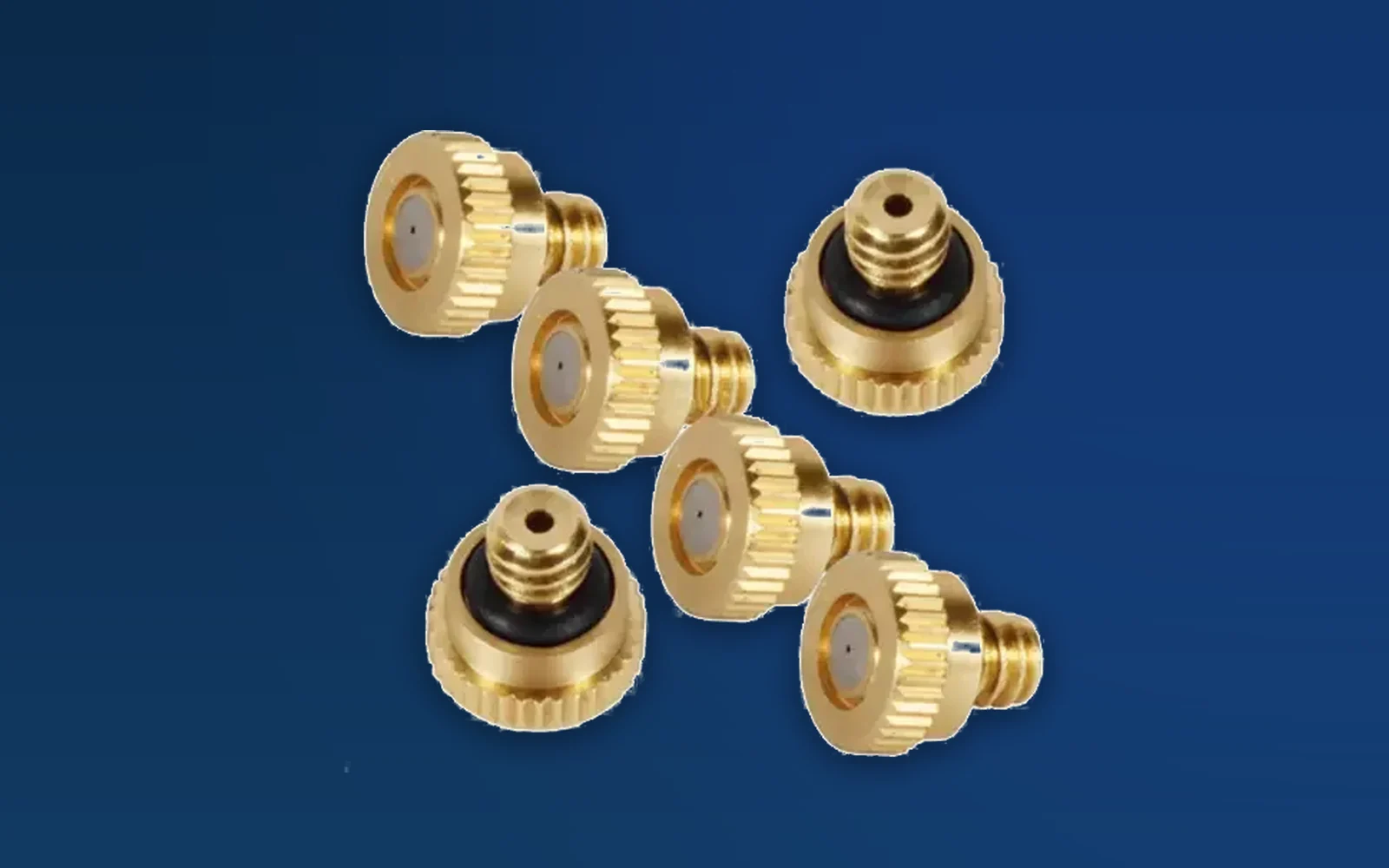
In precision coating and lubrication applications, air and water (two-fluid) nozzles offer an important advantage. Because the liquid pressure is kept low and atomisation is provided by the air, droplet size can be controlled independently. Very thin film thicknesses can therefore be reached with minimum material consumption.
You cannot improve what you do not measure
The first step of any efficiency exercise is measurement. These three figures should be recorded:
- Transfer efficiency: the proportion of the material used that adheres to the surface. It can be calculated with a simple weighing test.
- Consumption per unit: how many millilitres of paint are used per part. A rise in this figure is the first signal of a worn nozzle.
- Film thickness distribution: measurements from different points on the same part. If the difference is large, the problem lies in the overlap.
Conclusion
There is no forced choice between aesthetics and cost. The right angle, the right flow rate, the right distance and regular nozzle checks give you both a more even surface and lower material consumption. On most lines, double-digit savings are possible simply by reviewing nozzle selection.
Filtration is often overlooked
In discussions about efficiency, there is a subject as important as the nozzle that rarely comes up: filtration. The smallest particle in the line creates a partial blockage in the orifice and disturbs the spray pattern. Partial clogging is more dangerous than complete clogging, because the nozzle still appears to be spraying, the operator does not notice the problem, and yet the surface ends up under-coated.
The general rule is this: the filter mesh size should be about one third of the free passage diameter of the nozzle. The filter replacement interval should also be recorded, and the pressure drop monitored.
The link with booth ventilation
Overspray is a function not only of the nozzle but of the airflow in the booth. Extraction that is too strong pulls away droplets that have not yet adhered to the surface and lowers the transfer efficiency. Air velocity must be assessed together with the nozzle settings; optimising the two separately usually gives a worse result.